
Atossa
Finnish-Iranian Association
The Atossa Cultural Association serves as a bridge between the Finnish-Iranian community and culture enthusiasts from both countries.
At the Atossa Association, we are taking steps to introduce people to the authentic Iranian Zoroastrian culture as well as Finnish culture. We believe that both of these cultures, which have evolved over time and have been passed down to us today, hold valuable and constructive principles in their heritage. It is beneficial for us to explore and understand them in the present day. Additionally, recognising that both Iranians and Europeans share Indo-European cultural roots, they are essentially cultural cousins. Highlighting the distinct characteristics of each of these two cultures can serve as motivation for Iranians and Finns who are interested in delving deeper into their cultural heritage.
On the other hand, as family ties, friendships, and work relationships among Finns and Iranians (both in Finland and other countries) continue to grow, their mutual understanding of each other's history, language, rituals, and customs becomes increasingly empowering. This deeper familiarity fosters broader cooperation and strengthens their bond.
According to what has been stated, our aim at the Atossa Association is to organise educational conferences and seminars covering a wide range of subjects including history, politics, culture, language, and philosophy. Our intention is not solely to offer new educational resources and services to the Finnish and Iranian communities but also to establish ourselves as a center where researchers in Finnish and Iranian studies can connect and collaborate effectively.
Achaemenid Empress
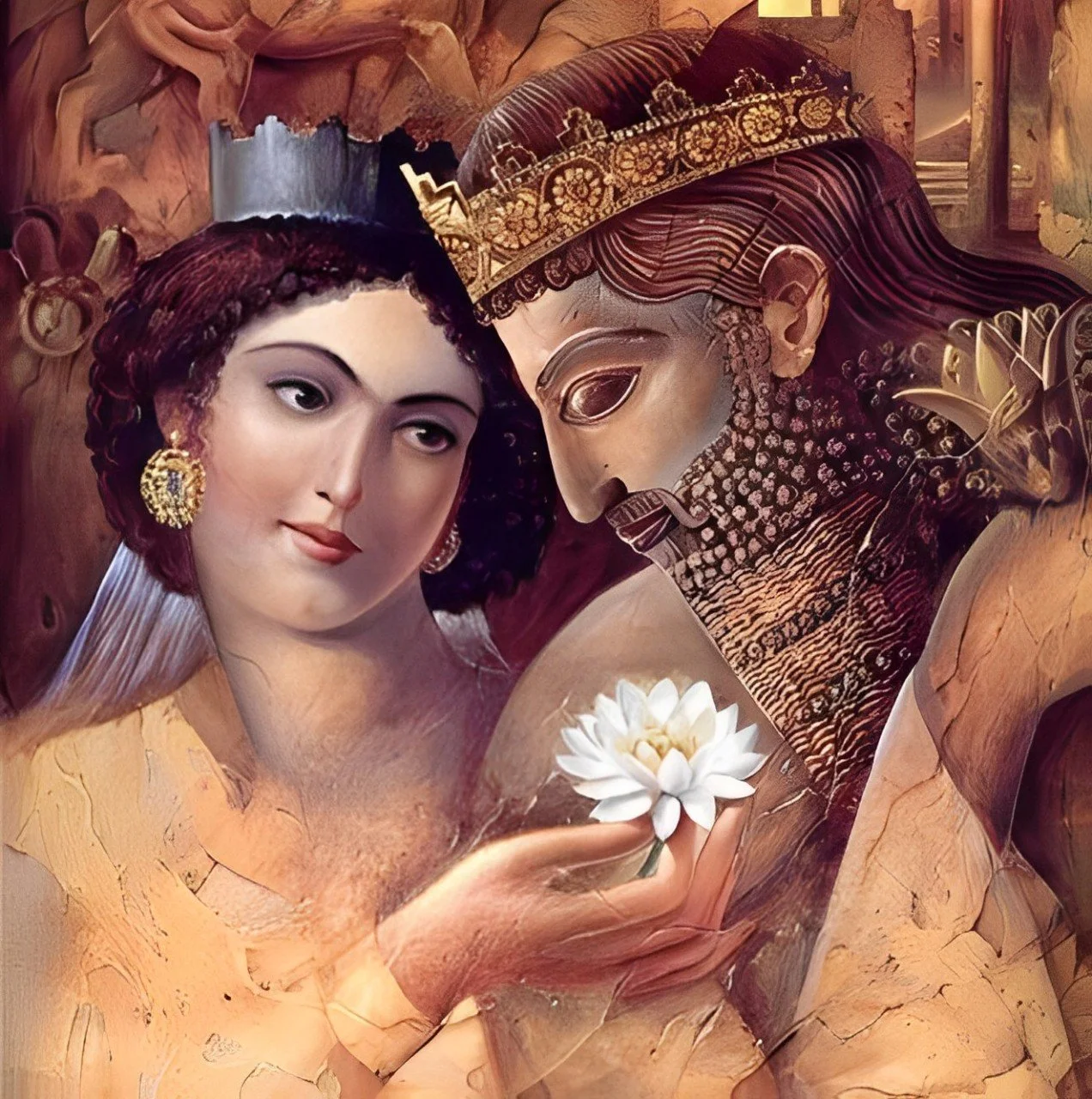
Atossa
a Mother & an Influential Leader
from Ancient Iran
The Achaemenid Empire, also known as The Persian Empire, was the ancient Iranian empire founded by Cyrus the Great in 550 BC. The empire spanned from the Balkans and Egypt in the west, and the majority of Central Asia to the northeast. After the death of Cyrus the Great, Darius I ascended the throne and married Cyrus’s daughter, Atossa.
Empress Atossa played a crucial role in the Achaemenid royal family by bearing the next Achaemenid king, Xerxes I. Xerxes I was the first son born to Darius after his seizure of the kingship, but not the eldest of all. The smooth transition to Xerxes’ rule after Darius’ death was due in part to Atossa's great authority. During her son’s reign she held the high status of empress-mother.
Achaemenid Empire
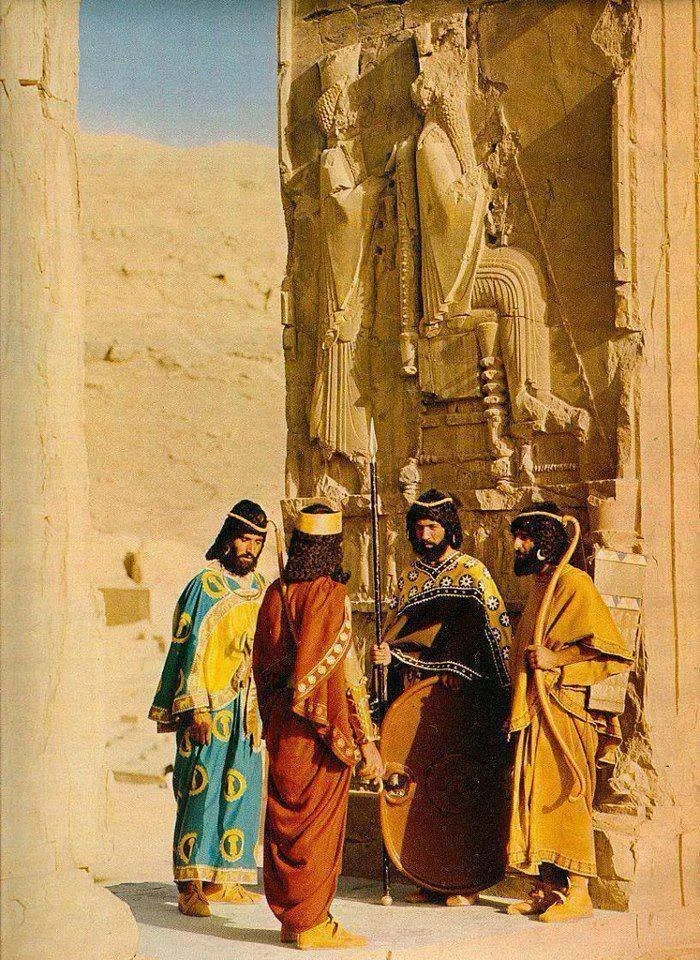
Before Alexander the Great or the Roman Empire, the Achaemenid Empire existed as one of the most powerful and complex empires of the ancient world. The administrative center of the empire was the royal palace, where the complicated bureaucratic and administrative system was organised according to the Babylonian model. Here at the court, as well as in all other administrative authorities, the chancellery was run very accurately.
In the Achaemenid Empire women had more rights and responsibilities than in any other ancient civilisation except that of Egypt. Records substantiating the autonomy of women and their activities comes from the Fortification Tablets, Treasury Texts, and Travel Texts found in the ruins of Persepolis.
Asteroid 810 Atossa
A bright Gem in Our Solar System
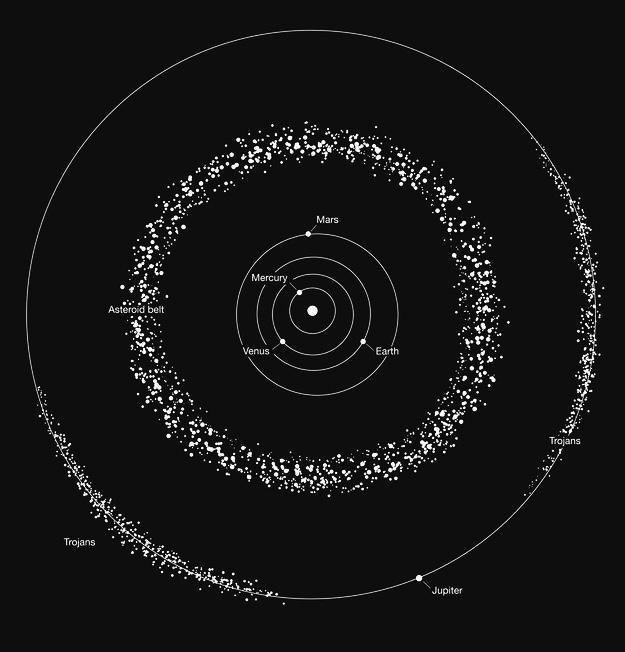
The Empress Atossa served as the inspiration for the German astronomer Max Wolf, who discovered an asteroid in 1915 and named it after this prominent empress.
810 Atossa (A915 RS or 1915 XQ) is a bright asteroid from the region of the Flora family, located in the inner portion of the asteroid belt. Atossa orbits the Sun in the inner asteroid belt at a distance of 1.8–2.6 AU once every 3 years and 3 months. The body's observation arc begins at Heidelberg Observatory with its official discovery observation on 8 September 1915.
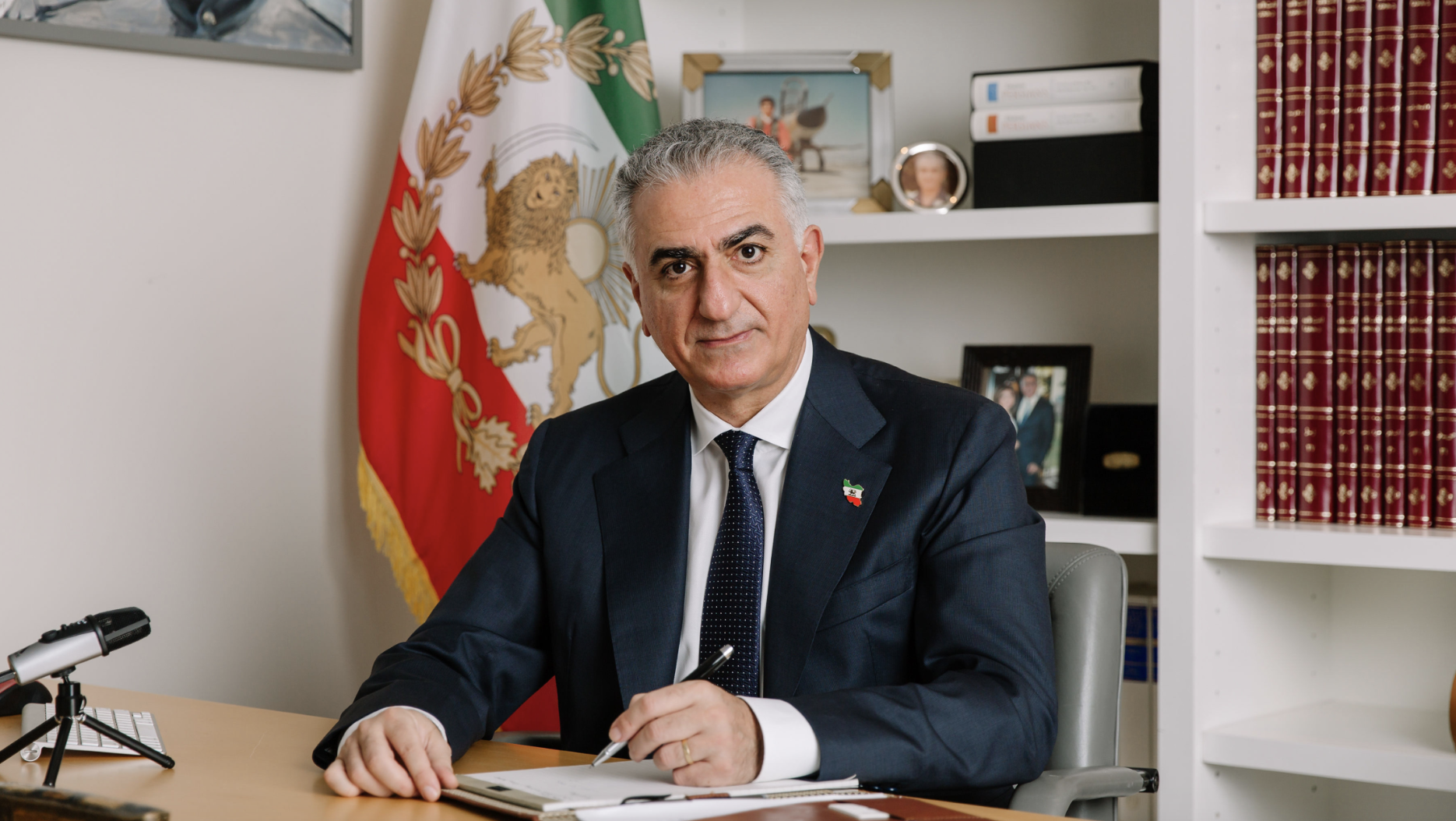
King Reza Pahlavi II
HRH Reza Pahlavi was born in Tehran, Iran on October 31, 1960 as the heir to the late Mohammad Reza Pahlavi of Iran and Empress Farah Pahlavi of Iran. He was officially named Crown Prince in 1967 at the time of his father’s coronation. In 1978, at the age of 17, he left Iran for jet fighter training in the United States Air Force at Reese Air Force Base in Lubbock, Texas. During this same period, the building unrest in Iran led to the royal family’s departure in January 1979. And, during the instability that followed, the Government of Iran was taken over by Islamists. The Islamists established a theocratic regime, preventing King Reza Pahlavi II’s return to his homeland.
Despite being forced to live in exile, his commitment and patriotic duty to Iran endures. For almost four decades, HRH Reza Pahlavi has been a leader and advocate of the principles of freedom, democracy and human rights for his countrymen.